Home
Sander Timmer, PhD, is the Global Senior Director of AI/ML & Decision Sciences at GSK, leading Forward Deployed AI Engineering for Global Supply Chain within Enterprise AI. He directs a distributed team of 40+ AI/ML engineers and data scientists across the US, UK, EU, Poland, India, and Singapore, delivering AI solutions at the point of decision-making through an embedded operating model.
Bridging AI/ML and life sciences with a PhD from Cambridge in Machine Learning and Epigenomics, Sander applies this cross-disciplinary foundation across the pharma value chain, from reverse vaccinology and protein language models in R&D to physical AI, vision language models (VLMs), and digital twins in manufacturing and supply chain. His work at GSK includes pioneering Physical AI and autonomous agentic workflows for GMP manufacturing, unified AI Ops infrastructure tracking 300+ solutions and 400k+ industrialized models, and the evolution from traditional BI to Conversational and Agentic BI.
Key achievements include delivering significant validated business value through AI-driven optimization, building GxP-compliant digital twins (TwinOps) that achieved +20% yield across 12 assets and unlocked +1M vaccine doses, deploying 10+ multi-agent systems processing 50M+ inferences annually, and establishing governance frameworks ensuring EU AI Act and FDA compliance across 300+ AI solutions. He has secured £25M in funding and established strategic partnerships with Nvidia, Microsoft, Google, Databricks, and Weights & Biases.
Before joining GSK, Sander led AI strategy for pharma and health at Microsoft, helping global life sciences organizations adopt cloud-native AI and establish enterprise AI operating models. He founded GSK Vaccines’ first AI division in 2019, deploying protein language models for target discovery, digital twins for clinical trial prediction, and BERT-based document automation.
Education
Sander obtained my PhD from the University of Cambridge and EMBL – European Bioinformatics Institute specialising in Big Data Biology. Sander is also a Life Member of Clare Hall, Cambridge (since 2015).
Work at GSK: Building Physical AI and Agentic Systems
At GSK, I’m pioneering the application of Physical AI—combining foundation models with digital twins to optimize pharmaceutical manufacturing. Our AIGA and TwinOps platform represents sophisticated pharmaceutical AI operations system, using agentic workflows to orchestrate complex decision networks across 37 global manufacturing sites. My teams build Process Digital Twins, Network Digital Twins, AI Agents, Copilots, MLOps/LLMOps platforms, and foundation model solutions for clinical trial predictions, process mining, and smart manufacturing. Our AI solutions include innovative feedback loops to measure business performance and are driving GSK toward serving 2.5 billion patients annually by 2031. This work is reshaping pharma beyond imagination and unlocking unprecedented business value through transparent, auditable, and continuously improving AI systems.
My work at Microsoft
As Senior Industry Solutions Manager for AI & Health at Microsoft (2018-2019), I provided thought leadership and strategy for AI/ML solutions in pharmaceutical and healthcare organizations across EMEA. Key focus areas included: digital biomarkers, AI-driven diagnostic tools, precision medicine using EHR and omics data, pharmacogenomics, and Real World Evidence. Prior to this role, I served as Lead Data Scientist in Microsoft’s CTO office (2016-2018), designing solutions featuring Bots, AI, IoT, and Deep Learning on Azure. Below are some press releases from my key projects.
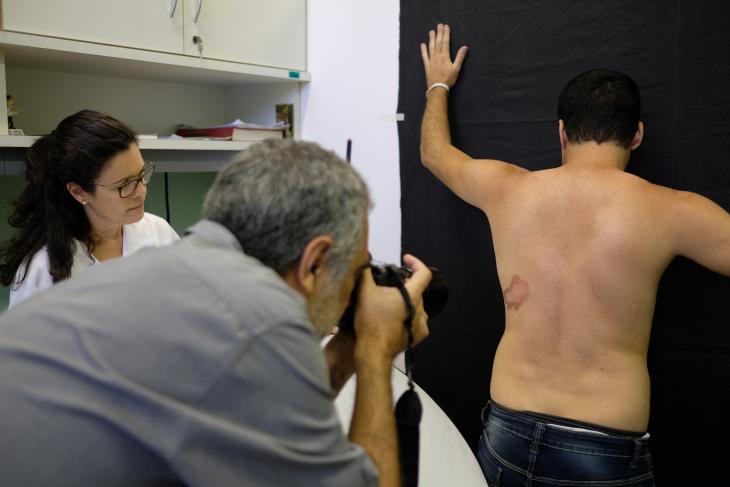
Develop AI-enabled digital health tool for early leprosy detection with Novartis Foundation
Press release by Novartis Foundation.
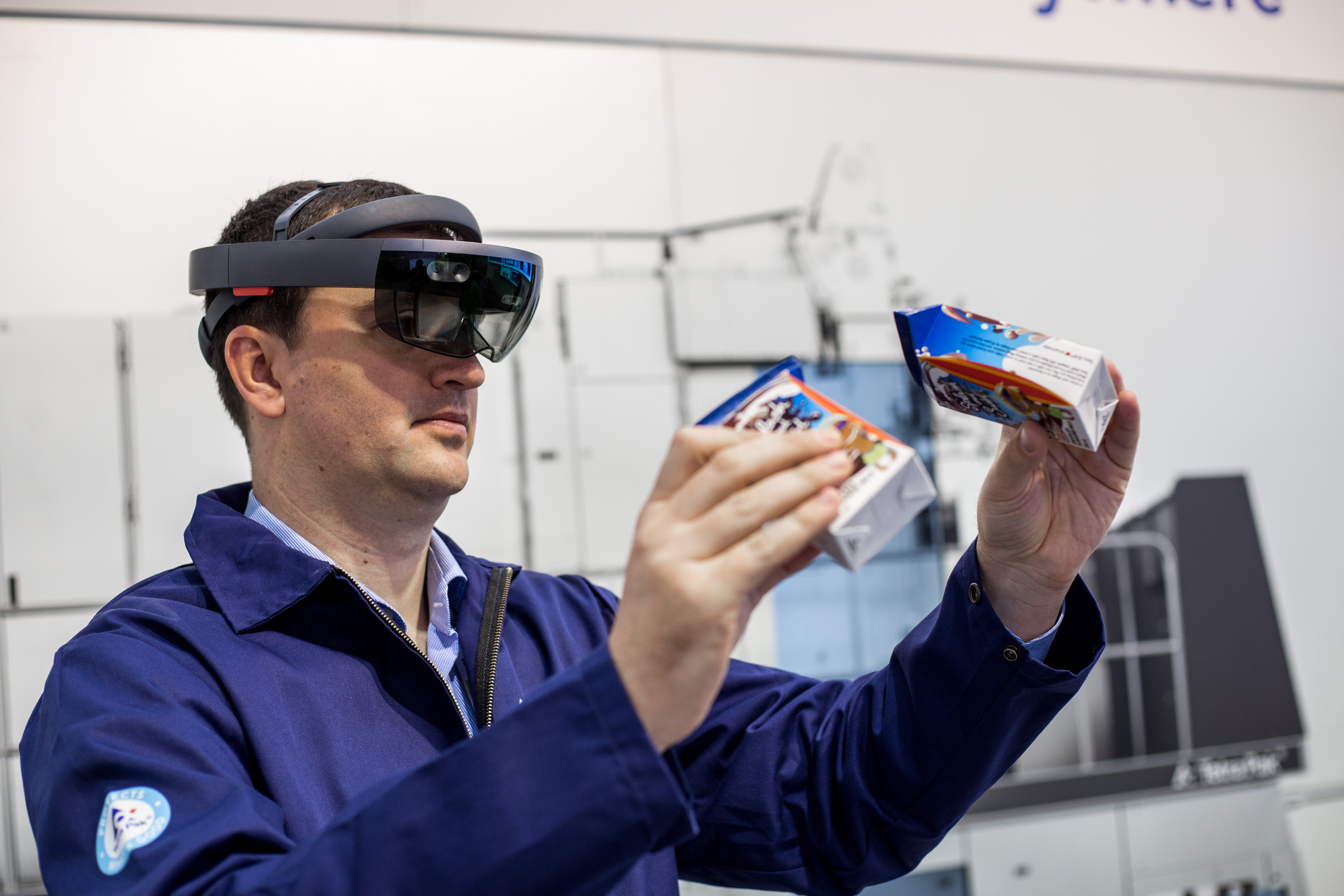
Digital Transformation at Tetra Pak
Press release by Microsoft.
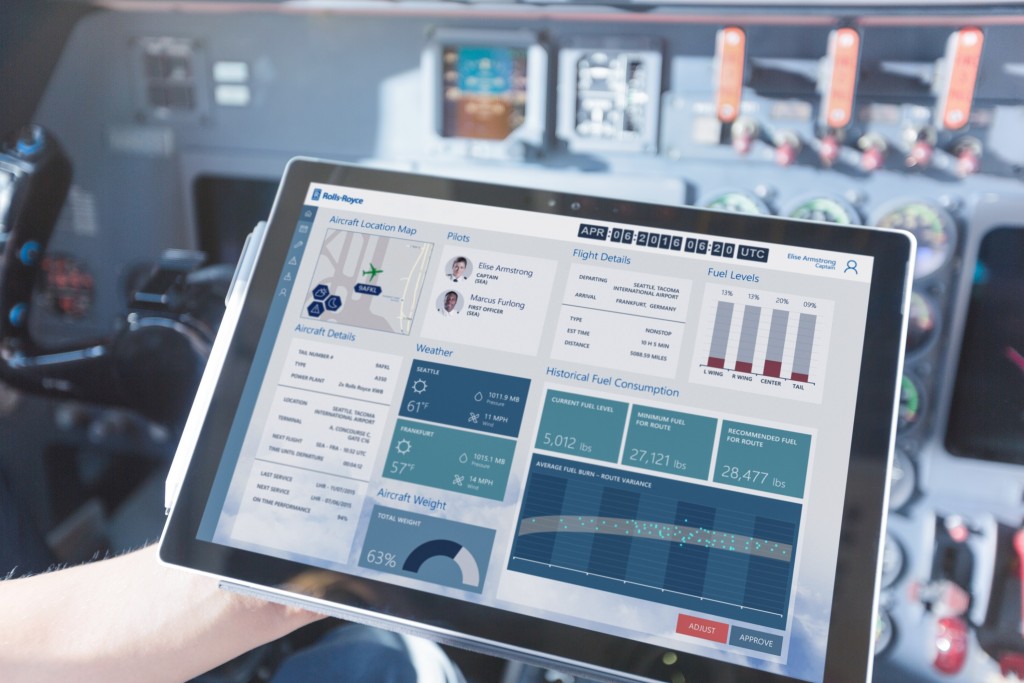
Aviation Analytics at Rolls-Royce
For Rolls-Royce and Singapore Airlines focusing on Fuel Analytics and Predictive Maintenance.
Press release by Rolls-Royce and Microsoft.
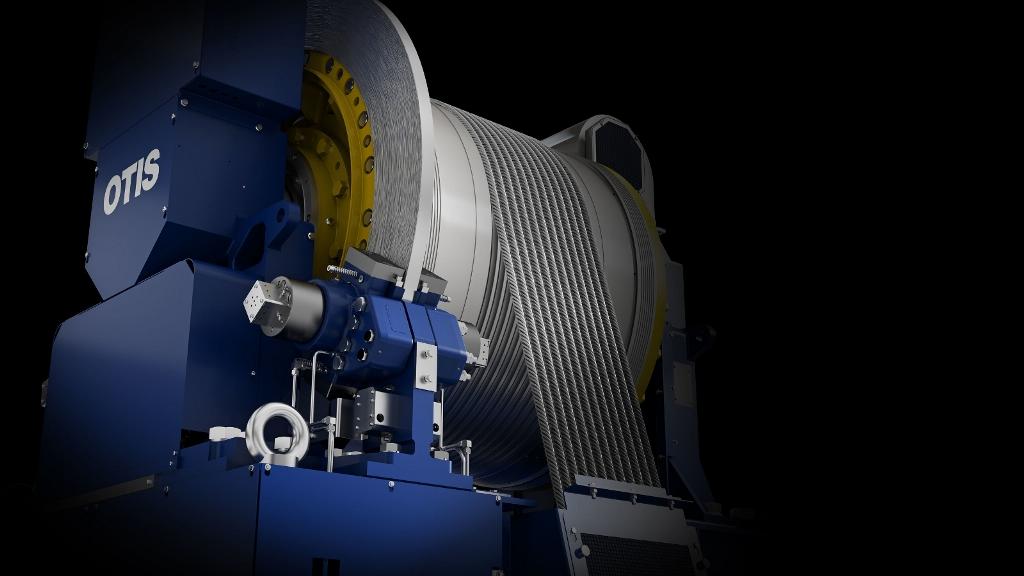
Predictive Maintenance at Otis Elevators
Press release by Otis Elevators.
My PhD
In Ewan Birney‘ team, I worked on understanding genetic variation on both molecular and whole body phenotypes. My PhD thesis has been published under the title understanding the human epigenome using system genetics. To this extent, I have been working on the following project:
- With Richard Durbin and Vishy Iyer working on heritable transcription factor binding measured using CTCF-seq. My part mainly focuses on CTCF to CTCF interactions and CTCF on the X-Chromosome.
- Published in PLOS Genetics: Quantitative Genetics of CTCF Binding Reveal Local Sequence Effects and Different Modes of X-Chromosome Association.
- With the Molecular Cardiology MRC department at London to obtain robust measurements of the Human skeleton phenotypes and Human heart phenotypes from MRI scans using Machine Learning approaches.
- With several labs from the ENCODE scale-up group (Jason Lieb, Greg Crawford and Vishy Iyer) working on genome-wide associations on heritable chromatin signatures (cQTL) measured using FAIRE-chip. The reconstruction of the Human Epigenome by integrating the chromatin status, transcription factor binding information and gene expression. Using System Genetics to determine the effect of genotypes on the epigenome.
Key Projects at Microsoft
Professional interests
Big data, biomarker discovery, business strategy, cloud computing, complex biological networks, data mingling, data visualisation, deep learning, epigenetics, healthcare wearables, machine learning, medical genetics, molecular biology, new technologies, next-generation sequencing, online marketing, open access, open data, open-source, personalised medicine, science into business, start-ups, Internet of Things (IoT), usability and web applications.